Master the Art of Craps
From your first roll to advanced strategy. Learn every bet, beat the odds, and play with confidence.
5 Steps to Success at the Table


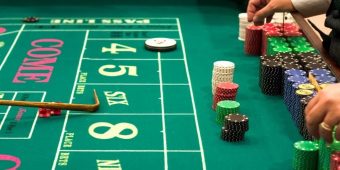
Play Craps for Free
Once you're familiar with all the basics, start playing for free in our craps simulator. Get your hands dirty with the game for fun without risking any capital.
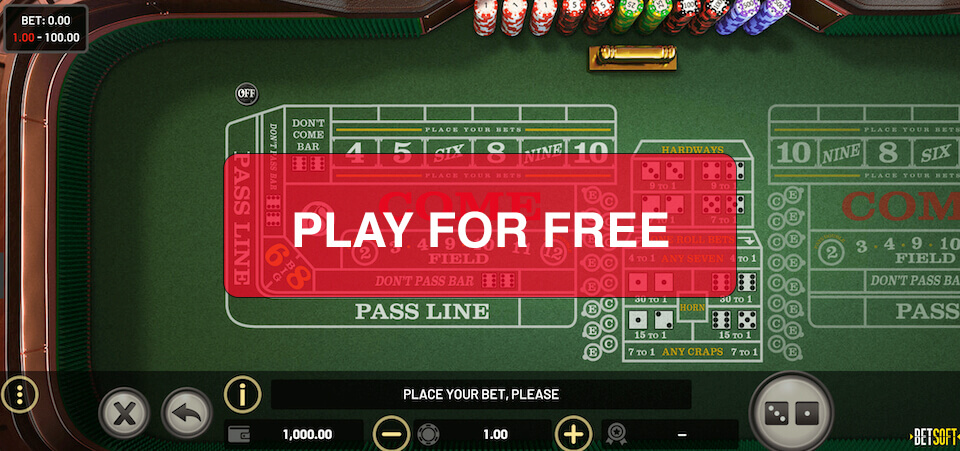 Launch Simulator
Play Craps for Real Money
Now that you've trained your skills, it's time for the real show. Grab a welcome bonus at an online casino and start your dice rolling adventure. Are you ready?
 View the best casinos
Craps Tools & Calculators
Calculators, simulators, and trackers built for craps players. No sign-ups. No ads. Just math that actually helps at the table.
Payout Calculator
Enter any bet type and amount. Get exact dollar payouts with correct sizing.
SimulatorStrategy Tester
Monte Carlo simulation for any craps strategy. Win rates and worst-case scenarios.
CalculatorBankroll Calculator
How much to bring based on your bet size, strategy, and session length.
ReferenceOdds & Probability Table
Complete reference of true odds, payouts, and probabilities for every bet.
CalculatorEV Calculator
Expected hourly cost of any craps bet at your bet size. Compare all wagers side by side.
StrategySession Planner
Set win/loss limits, estimate session duration, and walk in with a plan.
Why Art of Craps Is the Best Craps Resource Online
I'm Jake Wilfred, and I built Art of Craps for one reason. I couldn't find a single craps website that gave me straight answers without burying them in filler.
Most craps guides online are written by people who have never stood at a live craps table. They recycle the same surface-level advice, slap on a few odds charts, and call it a resource. That's not what this is.
I've spent years playing craps on the casino floors of Las Vegas. I've sat through cold tables that drained three buy-ins in twenty minutes. I've ridden hot shooters and watched entire crowds go from silent to electric in a single roll. I know what it feels like to play this game, not just what it looks like on paper.
That's the gap Art of Craps fills. Clear explanations, real experience, and zero fluff. Whether you're throwing your first come-out roll or you've been playing craps for a decade, there's something here worth knowing.
Featured Posts
How To Play Craps: The Complete Beginner’s Guide
How to Play Craps: The Complete Beginner’s Guide for Walk up to any craps table and you’ll hear it before you see...
How to Play Street Craps: The Only Guide You’ll Need
Street Craps: Rules, How to Play, and How It Differs From Casino Craps No felt. No dealers. No pit boss watching from...
Craps Bankroll Management Guide: The Best Craps Strategy
Craps Bankroll Management: How to Protect Your Money and Play Longer A buddy of mine once brought $500 to a craps table...
Craps Bets Explained: How Do You Bet in Craps?
Craps Bets Explained: Every Wager on the Table, From Best to Worst The craps table offers more than 30 different bets. Some...
Don’t Pass Line Bet Guide: Betting The Darkside
Don’t Pass Line Bet Guide: Betting The Darkside Every craps table has a quiet player standing at the end of the rail,...
Field Bet in Craps Guide: Master the Easiest Bet
The Field Bet in Craps: Odds, Payouts, and Smart Strategies Count the numbers on the field bet section of any craps table...
C and E Bet in Craps: What is it All About?
The C and E Bet in Craps: Payouts, Odds, and How It Compares to the Horn The stickman calls out “C and...
Playing Craps with Cards: A Golden State Innovation
Playing Craps with Cards: How California Casinos Deal the Dice Walk into a casino in California expecting to throw dice at a...
Horn Bet in Craps Explained: A Guide for Beginners
The Horn Bet in Craps: Payouts, Odds, and Why It Costs 12.50% Four numbers. One roll. A 12.50% house edge. The horn...
Latest Posts
Advantage Play in Craps: Dice Sliding vs. Dice Control
Dice Sliding vs. Dice Control in Craps: One Is Illegal, One Is Debated In 2011, two Argentine gamblers named Leo Fernandez and...
Don’t Come Bet in Craps: Complete Beginner’s Guide
Are you lThe Don’t Come Bet in Craps: How It Works, Lay Odds, and Dark-Side Strategy The don’t pass bet gets all...
Big 6 and Big 8 in Craps: The Ultimate Guide
Big 6 and Big 8 Bets in Craps: Why You Should Never Make Them Here’s a quick test. You place $6 on...
Any Craps Bet: The Complete Guide for Beginners
The Any Craps Bet: 7:1 Payout, 11.11% House Edge, and the “Insurance” Myth Four dice combinations out of 36. An 11.11% chance...
How to Make the Place Bet in Craps: Step-by-Step Guide
The Place Bet in Craps: How It Works, Payouts, and Smart Strategies You’ve just watched the shooter nail three passes in a...
Lay Bets in Craps: The Dark Sider Strategy Guide
Welcome to our guide on lay bets in craps! If you’re a craps player looking to add some variety to your betting...
Everything You Need to Know About Craps
Craps is the loudest, most social, most misunderstood game in the casino.
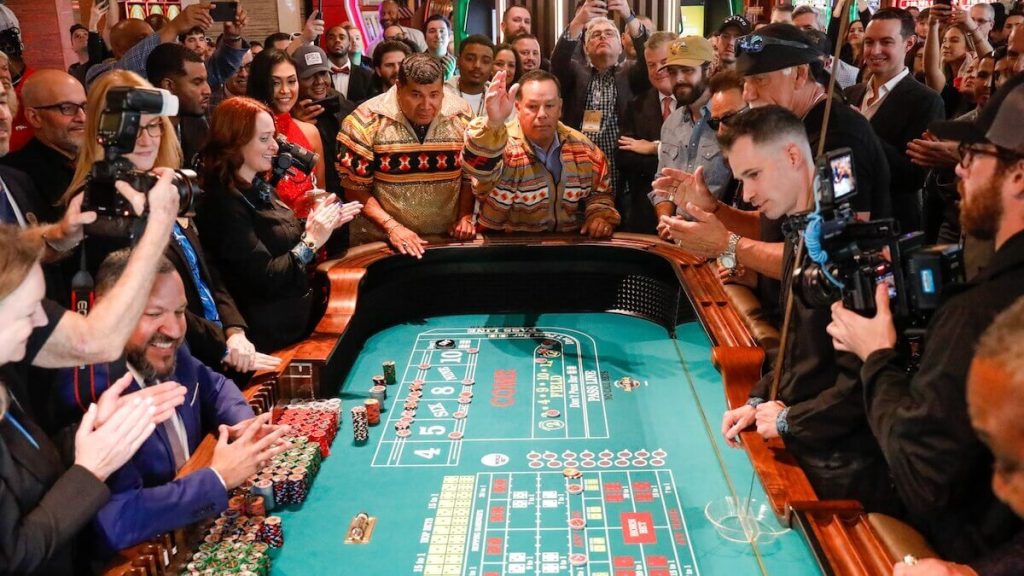
Walk past a craps table on a busy Saturday night and you'll see a crowd cheering, chips flying, and a shooter mid-roll with the whole table hanging on the outcome. It's unlike anything else in gambling.
It also looks complicated. The layout is covered in betting options. People are shouting calls you've never heard. The dealer is moving faster than you can follow.
But here's the truth: craps is not that hard. The core rules take about ten minutes to learn. What takes longer is understanding which bets are worth making and which ones quietly drain your bankroll.
That's what Art of Craps is here for.
- How craps works, from the come-out roll through the point phase
- Which craps bets give you the best odds and which ones to avoid
- Proven craps strategies that hold up at real casino tables
- How to manage your bankroll so one bad session doesn't ruin your night
- Where to practice craps online before playing for real money
What Is Craps?
Craps is a dice game played at a casino table where players bet on the outcome of two dice being rolled.
The person rolling the dice is called the shooter. Everyone else at the table bets on what the shooter will roll. You can bet with the shooter or against them. That flexibility is part of what makes craps so interesting.
The game is played on a craps table with a printed layout showing all available betting areas. Once you understand what each section represents, the table stops looking overwhelming and starts making sense.
A Brief History of Craps
Craps did not appear out of nowhere. Most historians trace its origins to "hazard," a dice game that was popular across England during the 17th and 18th centuries.
The game crossed the Atlantic, got simplified on the riverboats and back rooms of New Orleans, and gradually found its way onto the casino floor in the form we recognize today.
It's been a casino staple ever since. We cover the full history of craps for anyone who wants to understand where the game came from before they start playing it.
How to Play Craps
The goal in craps is to predict what the dice will show. Simple enough.
A round of craps starts with the come-out roll. If the shooter rolls a 7 or 11, pass line bets win. If they roll a 2, 3, or 12, pass line bets lose. Any other number becomes "the point," and the shooter keeps rolling until they hit that number again or roll a 7.
That's the foundation. Everything else in craps, every side bet and exotic wager, layers on top of that basic structure.
Our complete guide to how craps is played walks through every phase of the game with clear examples, so you know exactly what to do when you sit down.
New to craps? Start with the pass line bet. It has a house edge of just 1.41%, the rules are straightforward, and it lets you follow the action without getting lost in the more complex parts of the layout.
The Rules of Craps
Craps has more rules than it looks like at first. But most of them exist to govern specific bets, not the core game.
The basic rule structure is: the shooter rolls, bets are resolved, and the round continues or resets based on what came up. Some bets stay active across multiple rolls. Others resolve on a single throw.
There's also table etiquette to know. When to handle chips, when to place late bets, how to communicate with the dealer. None of it is complicated, but it's worth knowing before your first live session so you're not fumbling through it in the moment.
Types of Craps Bets
This is where craps gets layered. And where most of the real money decisions happen.
The pass line and don't pass bets are the starting point for almost every craps player. They have the lowest house edge and the clearest rules. From there, you have come bets, place bets, field bets, hardways, and a full menu of proposition bets that look exciting but carry a house edge that ranges from bad to genuinely terrible.
Knowing the difference between a smart craps bet and a sucker bet is the single biggest skill you can develop at the craps table.
Browse the full craps bets guide to understand what every wager on the layout actually means for your money.
Never place a Big 6 or Big 8 bet. The casino pays even money on both. If you place those same numbers instead, the payout jumps to 7 to 6. Same bet, better return. The Big 6 and Big 8 exist purely because players don't know the difference.
Why Craps Is So Popular
Ask anyone who has played craps seriously and they'll tell you the same thing. Nothing in the casino compares to a hot table.
When a shooter is on a run, rolling number after number without sevening out, the whole table wins together. Strangers are high-fiving. The energy is at a level you don't get sitting alone at a slot machine or even at a blackjack table.
That shared experience is a big reason why craps has stayed popular for decades. It's a game you play with other people, not just against the house.
And if you want that experience without a casino trip, it's easier to set up than most people think. You can play craps at home with a proper layout and a set of dice, and get the full table experience in your own space.
Craps Payouts and Odds
Craps has some of the best payout potential of any table game. Certain bets pay 30 to 1 or higher.
The issue is that those high-payout bets come with a house edge that makes them poor long-term choices. A 30 to 1 payout sounds great until you realize the true odds on that roll are closer to 35 to 1.
The craps bets worth your attention are the ones with low house edge and fair payouts. Understanding that distinction is the foundation of every solid craps strategy.
See the full craps payout chart and odds breakdown to see every bet side by side.
Craps Strategy: Tips That Actually Work
Strategy in craps is mostly about bet selection and bankroll discipline. There's no system that changes the math. But there are smarter and dumber ways to play.
Start Simple
New craps players should stick to the pass line and come bets until those feel completely natural. Adding complexity too early leads to confusion and bad decisions under pressure.
Back Your Bets with Odds
The odds bet in craps is one of the only bets in any casino that carries zero house edge. Once a point is established, backing your pass line bet with full odds is almost always the right move. It's how you get the overall house edge on your craps session as low as possible.
Set a Craps Bankroll Before You Sit Down
Craps moves fast. Sessions can turn against you quickly and the temptation to rebuy is strong. Deciding your limit before you touch the table is the only way to stay in control.
Our craps bankroll management guide covers how to set session limits, buy-in amounts, and loss thresholds that match your actual playing style.
Know When to Leave
The players who consistently enjoy craps are the ones who walk away when they said they would. A big win followed by "just a few more rolls" is how winning sessions become losing ones.
Discipline is the most underrated part of any craps strategy. More than any betting system you'll find.
Practice Craps Before Playing for Real Money
Craps has enough moving parts that trying to learn it at a live table while real money is on the line is a rough experience. Free craps games online let you absorb the rules, get comfortable with the flow, and stop second-guessing your bets before it costs you anything.
Start Learning Craps Today
Craps rewards players who take the time to understand it. The house edge on a well-played craps session is lower than blackjack. Lower than baccarat. And the entertainment value per dollar is hard to beat.
Pick a section below and start learning. Whether you want the rules, the bets, the strategy, or the history, everything is here and built to be actually useful at a real craps table.
Craps is a casino dice game where players bet on the outcome of two dice being rolled by the shooter. You can bet that the shooter will win (pass line) or lose (don't pass), and dozens of other outcomes. It's one of the most social and fast-moving games on any casino floor.
The pass line bet backed with full odds is widely considered the best bet in craps. The pass line carries a house edge of 1.41% on its own. Adding the odds bet behind it brings the combined house edge down even further, since the odds portion pays at true odds with no house advantage.
The core rules of craps take about ten minutes to learn. The come-out roll, the point, and the basic pass line bet are easy to follow from the first round. What takes more time is learning the full range of craps bets and which ones are worth making. Start with the basics and build from there.
Yes. Most major online casinos offer craps as part of their table game library, including live dealer versions with real dice and a real table streamed to your screen. Online craps is also one of the best ways to practice before playing at a physical casino.
The house edge in craps depends entirely on which bet you make. The pass line sits at 1.41%. Don't pass is 1.36%. Place bets on 6 or 8 carry a 1.52% edge. Proposition bets like any seven carry a house edge as high as 16.67%. Sticking to the low edge bets is the foundation of smart craps play.
No. Craps tables exist at a wide range of minimums. You can find $5 and $10 tables in many casinos, and online craps goes even lower. The game works at any bankroll size as long as you manage your money with a plan.
No casino game gives the player a long-term mathematical edge, and craps is no different. What you can do is minimize the house advantage by sticking to smart bets, using the odds bet, and keeping your session discipline tight. That won't flip the math in your favor, but it gives you the best possible chance on any given night.